FAQ
Q1. How do you reconnect with your partner after time apart?
Time apart, whether from travel, a demanding season at work, or an emotional distance that built slowly, creates a gap that does not close on its own. The mistake most couples make is expecting to pick up where they left off without intentionally rebuilding the connection. Start with presence before conversation. When you are physically reunited, begin with a thirty-second hug before any logistics or catch-up talk. That physical reset signals to your nervous system that you are back together. Then share emotions from your time apart, not just events. “I felt lonely when the trip ran long” reconnects you faster than “the flight was delayed.” If the distance was emotional rather than physical, the Swoosh and the Yes-And Skill help interrupt whatever defensive patterns have formed. You respond instead of react, and the door stays open.
Q2. How do you rekindle a relationship and bring the spark back?
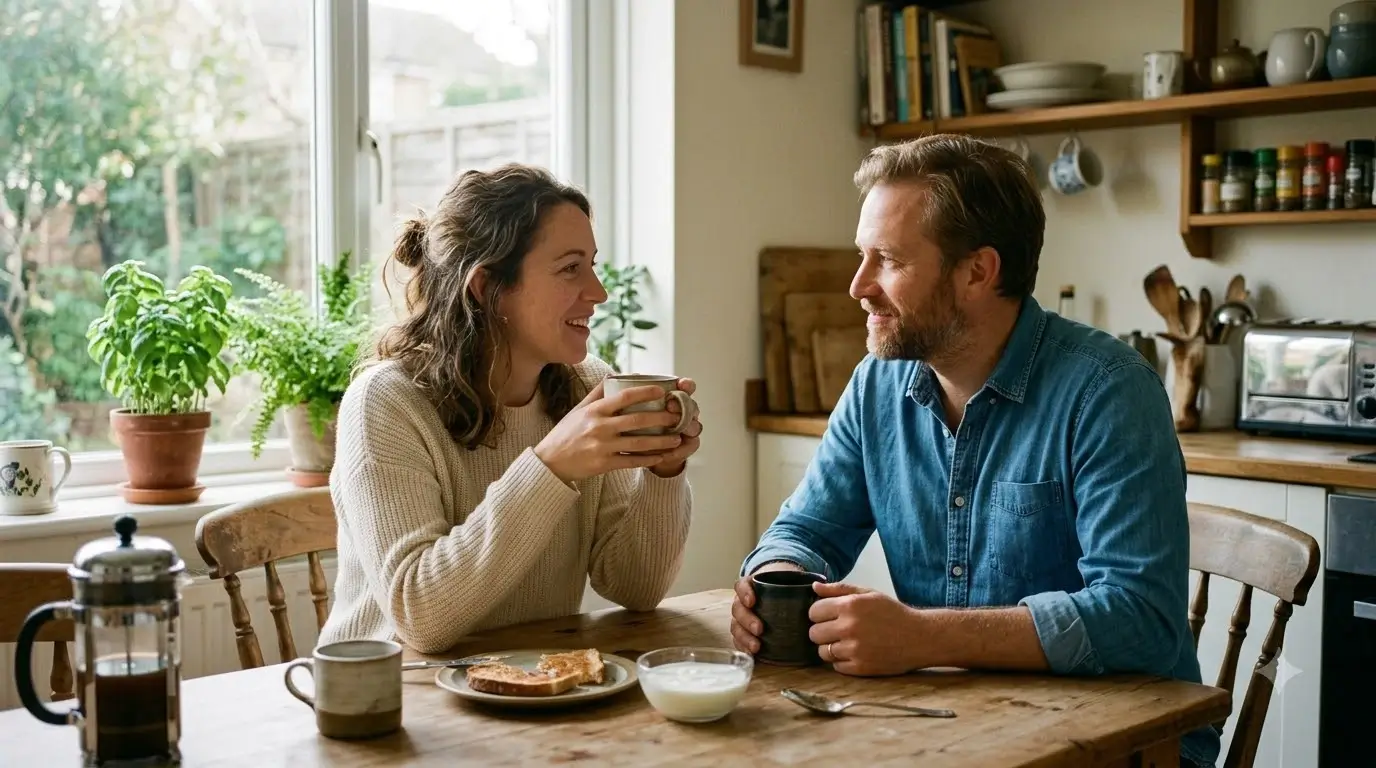
The spark most couples are looking for is not romance. It is the feeling of being genuinely known and seen by another person. That feeling fades when couples stop being curious about each other. Rekindling starts with small, deliberate acts of acknowledgment. The “Thank you” that is actually meant. The “Tell me more” that is genuinely curious. The thirty seconds of eye contact that communicates “you still matter to me.” I also teach couples to revisit what I call their connection rituals, the small repeated moments that build intimacy over time. A thirty-second hug when one of you arrives home. Sharing three emotions from the day over dinner. Saying “good morning” like you mean it and waiting for the response. These are not grand gestures. They are the daily practice of choosing each other, and the spark follows that choice consistently made.
Q3. How do you reconnect with your spouse when you feel like strangers?
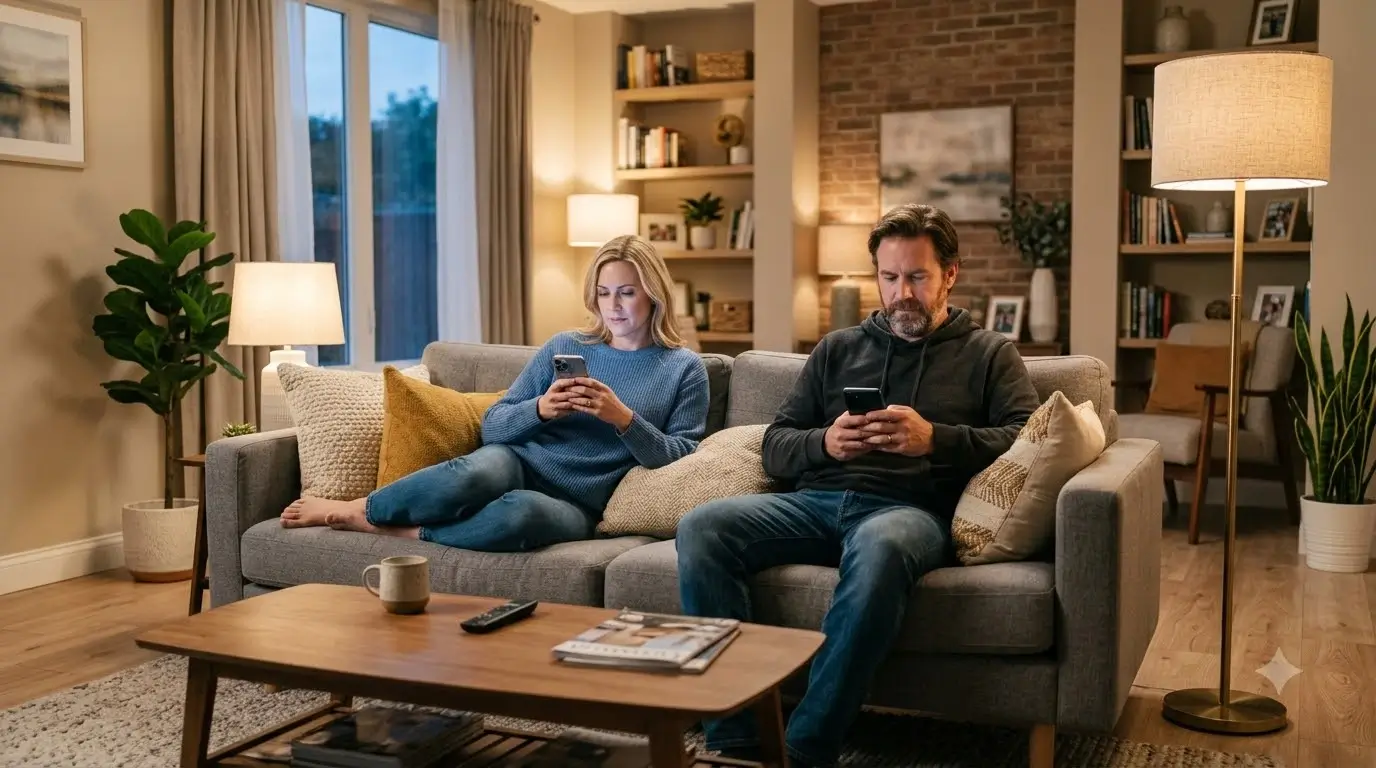
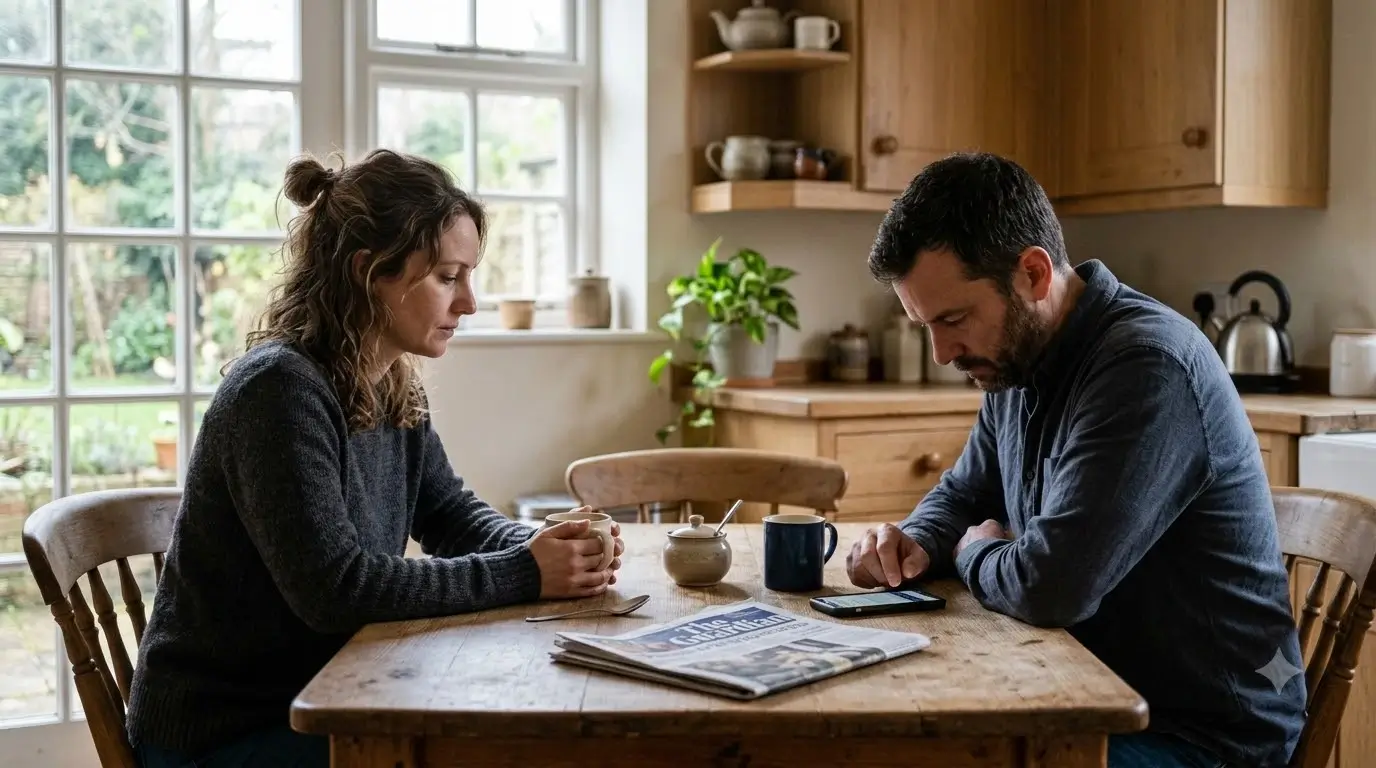
When couples feel like strangers, it is usually because they have been operating in parallel rather than together. Same house, same routine, but no real contact. The first step is not a big conversation. It is a small, safe one. I use a framework called When-and-Wonder with every couple I work with. Instead of raising everything that has built up, you start with one specific moment: “When I come home and we do not make eye contact, I feel invisible. I wonder how we can change that together.” No accusation. No blame. Just an honest observation and an invitation. From there, the Love Languages assessment helps couples understand how each person gives and receives love, because feeling like strangers is often two people loving each other in languages the other cannot hear. Once you know each other’s language, you can start speaking it again deliberately.
Q4. How do you reconnect with your husband?
Reconnecting with your husband starts with understanding how he experiences connection, which is often different from how you do. Most men are not wired to reconnect through long conversations about the relationship. They reconnect through shared experience, through feeling respected and needed, and through physical presence without pressure. The Bubble Boundary is a useful frame here: ask yourself what belongs in your marriage and what has been crowding it out. Stress, screens, children’s schedules, and unresolved resentments all take up space that should belong to connection. Clear some of that space deliberately. Come home and hold each other for thirty seconds before the evening begins. Share something from your day that is emotional, not logistical. Ask him how he is feeling and genuinely wait for the answer. Small, repeated gestures of genuine interest rebuild connection faster than any single conversation.
Q5. How do you fall back in love with your spouse?
Falling back in love is less about feeling and more about choosing. The feeling of being in love is the result of consistent actions taken toward another person, not a prerequisite for taking them. After years together, what most couples have lost is not love but the habit of showing it. I use a reframe with every couple I work with: shift from a Got-To life to a Get-To life. Instead of “I have to spend time with my spouse,” it becomes “I get to spend time with the person I chose.” That linguistic shift sounds small. The change in experience is significant. Alongside that, learning and speaking your spouse’s Love Language, whether that is words of affirmation, quality time, physical touch, acts of service, or receiving gifts, gives you a specific, targeted way to love them in a form they can actually receive. Love felt but not communicated in the right language goes unnoticed. Love communicated in the right language rebuilds the feeling of being in love.
Book a Session with Paul →